
LinkedIn connection limits in 2026: what's official
LinkedIn publishes fewer hard numbers than most guides claim. There's an official network cap, an official rule on personalised notes, and an official description of what happens when you hit the invitation limit. There is no official weekly invitation number. And if your invitations get accepted, the limit rarely matters.
The pages ranking for this are either LinkedIn's own help articles (accurate, but short) or videos about getting around the limits (which we won't do). This page separates what's official from what's folklore, with a source on every number.
The official numbers
| Limit | Number | Status | Source |
|---|---|---|---|
| First-degree connections | 30,000 maximum | Official | Network size limit |
| Followers | Unlimited | Official | Network size limit |
| Who invitation limits apply to | All members, Basic and Premium | Official | Invitation limit reached |
| Invitation restriction length | "Typically lasts one week" | Official | Invitation limit reached |
| Personalised notes, free accounts | 5 connection requests a month | Official | Invitation limit reached |
| Personalised notes, Premium | Unlimited | Official | Invitation limit reached |
| Weekly invitation count | Not published | Folklore; any figure is third-party | — |
What LinkedIn doesn't publish
You'll see weekly invitation numbers quoted with total confidence. LinkedIn's help page doesn't give one. It says limits exist "to prevent misuse and promote thoughtful networking", that they apply to everyone, and that hitting them can restrict invitations (LinkedIn Help). Any specific weekly figure comes from a third party's observation, and it may change without notice. We don't quote one.
What happens when you hit the limit
From LinkedIn's help page (LinkedIn Help):
- Your account may be temporarily restricted from sending invitations. The restriction "typically lasts one week".
- You can't send invitations until it lifts.
- Withdrawing pending invitations won't remove the restriction.
- You can't buy more invitations while restricted.
- LinkedIn "cannot remove or shorten the wait period".
- LinkedIn Support can't tell you the type or reason for the restriction.
If your whole account is restricted, not just invitations, that's a different problem; see LinkedIn account restricted.
Personalised notes: 5 a month on free accounts
Free and Basic members can add a personalised message to five connection requests a month. Premium members can add one to every request (LinkedIn Help). On a free account, spend those five on the people you most want to talk to, and make the note count: one line on why you're connecting, one line about them, no pitch.
Why acceptance rate matters more than volume
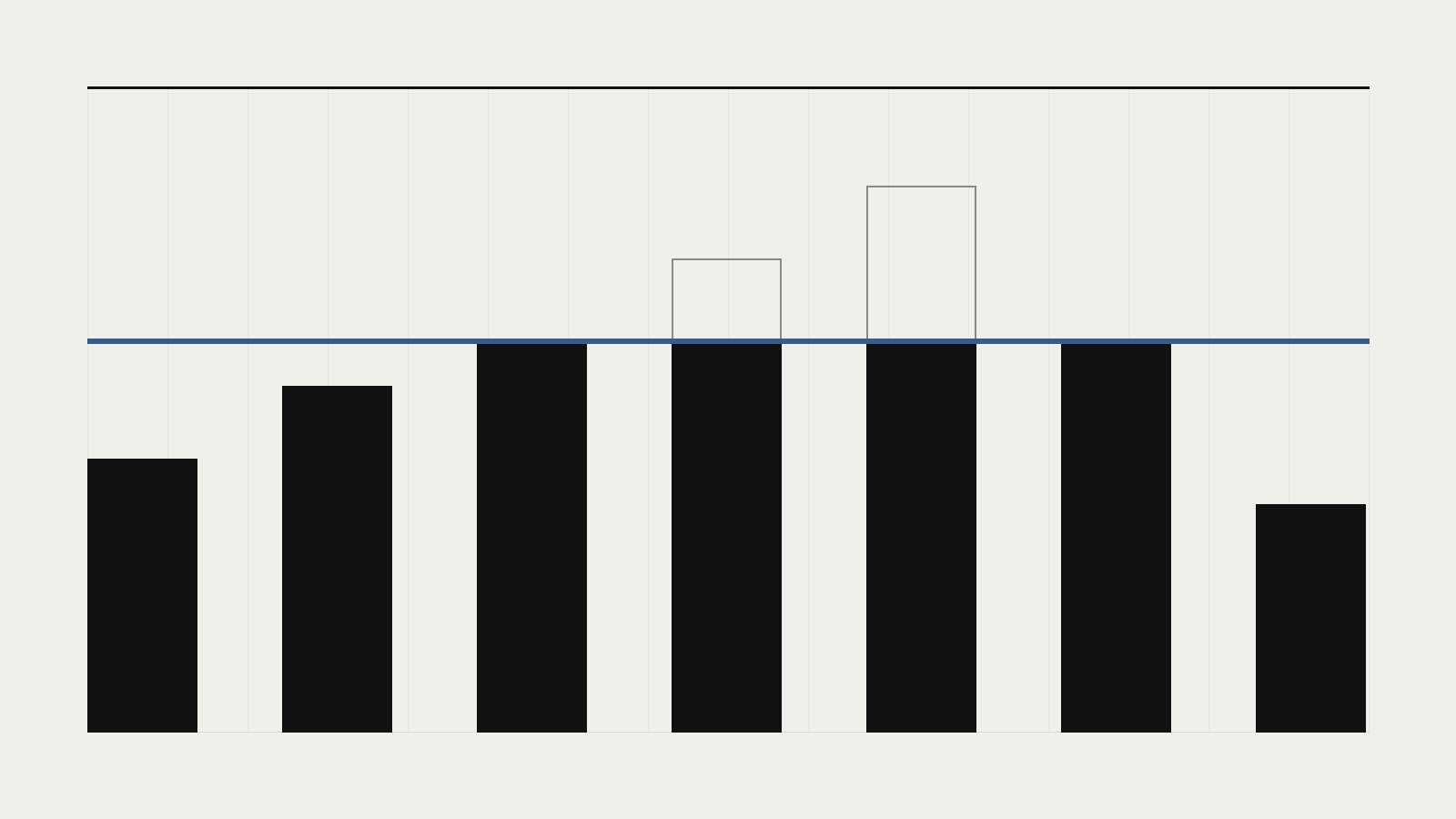
Here's the illustrative arithmetic, using the rule of thumb we use for the four stages of a DM sale (20% of invitations accepted). It's a house rule of thumb, not DealGate data:
New connections a week at a 20% acceptance rate (hypothetical)
Hypothetical. Uses the illustrative 20% acceptance rule of thumb, not DealGate data or a LinkedIn figure.
Source: DealGate's illustrative rule of thumb (no external source)
Now flip it, still hypothetically. If better-targeted invitations with a real note got accepted at twice that rate, 30 invitations would produce the same 12 connections as 60. Fewer invitations, same result, far further from any limit. LinkedIn's own advice points the same way: "sending fewer and more thoughtful invitations" (LinkedIn Help).
Working within the limits at a human pace
- Only invite people you have a reason to contact. Someone who commented on your post, someone a client mentioned, someone at a company matching your ICP.
- Withdraw stale pending invitations monthly. It won't lift a restriction, but it keeps your list honest.
- Track acceptance, not sends. If acceptance falls below our one-in-five rule of thumb, fix targeting or your note before sending more.
- Then follow up the ones who accept. A new connection is a chance to open a conversation; our message templates cover what to say, and the LinkedIn lead generation guide covers the rest of the process.
- No bypass tricks. No auto-connect tools, no scripts, no second accounts.
Where DealGate fits
DealGate works on the conversations after someone accepts. It shows who's warming up or waiting on your reply and drafts your next message in your voice. Coming soon: replies auto-send within caps and pacing, with a safety pause if LinkedIn shows a warning. Pricing: $0.99 for your first month, then $29/mo founding price ($49/mo list).
FAQ
What happens after 1,000 connections on LinkedIn?
Nothing official. LinkedIn's published cap is 30,000 first-degree connections, and followers are unlimited. There's no rule that changes at 1,000.
Can I bypass the weekly invitation limit?
No, and we wouldn't help you try. LinkedIn says that if you hit the limit your account may be restricted from sending invitations, typically for one week, that withdrawing invitations won't remove the restriction, and that it can't shorten the wait.
Does Premium raise the invitation limit?
LinkedIn's help page says invitation limits apply to Basic and Premium accounts. The difference it states is that Premium members can add a personalised note to every connection request, while free members can add one to five requests a month. It doesn't say Premium raises the limit itself.
How many connection requests can I send a week?
LinkedIn doesn't publish a weekly number. Figures you see quoted come from third parties. Rather than chase a number, send invitations to people you have a reason to contact and track how many accept.
Sources
Accessed 10 Oct 2026.
- LinkedIn Help, "Invitation limit reached": https://www.linkedin.com/help/linkedin/answer/a550555
- LinkedIn Help, "Network size limit": https://www.linkedin.com/help/linkedin/answer/a567364
- LinkedIn Help, "Prohibited software and extensions": https://www.linkedin.com/help/linkedin/answer/a1341387
- Acceptance-rate arithmetic: DealGate's illustrative rule of thumb, not measured data.